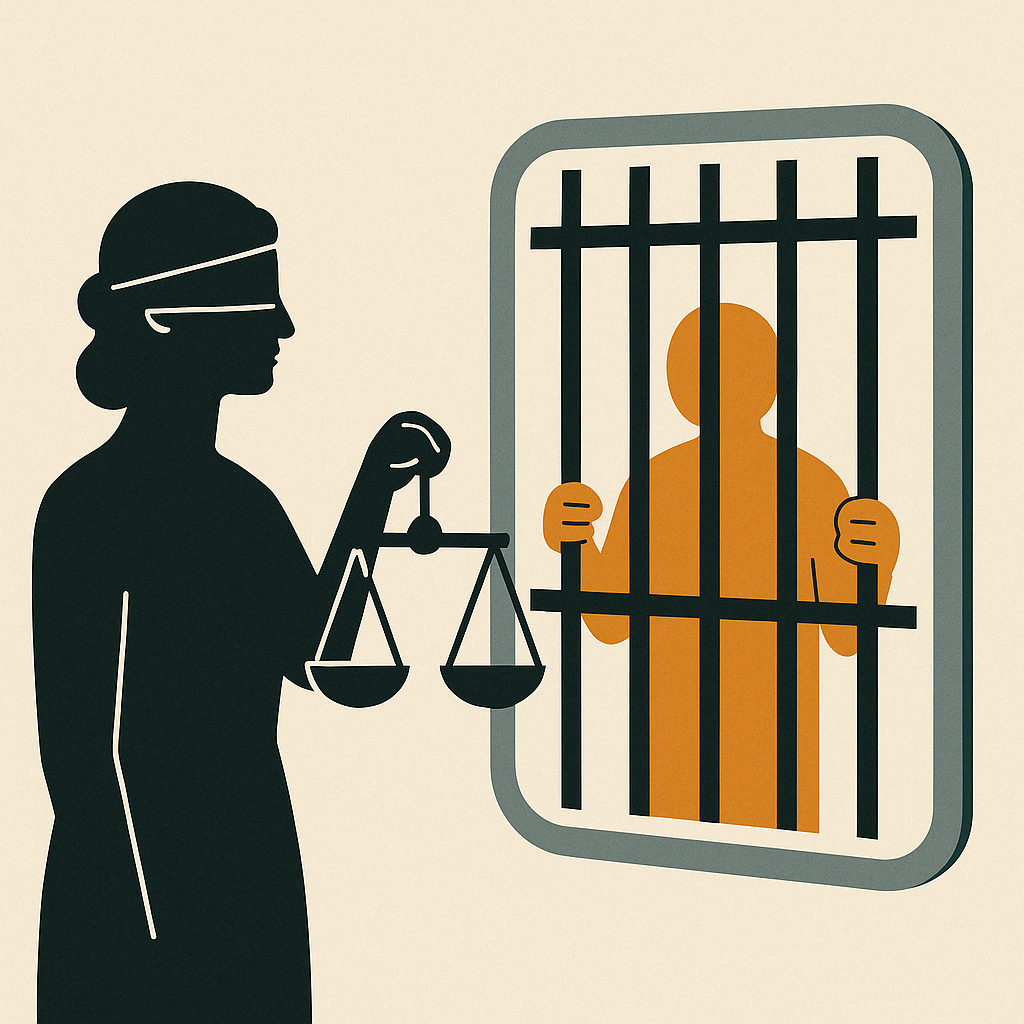
Building Bridges of Empathy: The Power of Communication in Restorative Justice

Restorative justice is a powerful approach that centers on healing and reconciliation rather than retribution. At its core, this approach rests on a belief in people's capacity to understand one another and find solutions that promote peace and restoration. And at the center of restorative justice lies effective communication.
Communication as a Fundamental Pillar
In restorative justice, communication is not just a tool—it is a fundamental pillar. It is understood that to resolve conflicts and heal wounds, people must be able to express their thoughts, feelings, and needs openly and honestly. This requires effective communication grounded in empathy and understanding.
Active Listening and Empathy
One of the key components of communication in restorative justice is active listening. This means not just hearing someone's words, but truly understanding their point of view and their feelings. Empathy plays an essential role in this process.
Building Bridges Instead of Barriers
Effective communication in restorative justice is about building bridges instead of barriers. Often, in situations of conflict, communication becomes an obstacle that separates the parties involved. Restorative justice works to tear down those barriers by fostering respectful, constructive dialogue.
Preventing Future Conflicts
Effective communication does not only resolve current conflicts—it is also a powerful tool for preventing future ones. When people can express their concerns and needs openly, solid foundations are laid for building healthier, more resilient relationships.
Conclusions
Restorative justice reminds us of the power of human communication. It shows us that through empathy, active listening, and effective communication, we can move past conflicts, heal wounds, and build stronger relationships.